What's the difference between patching and resurfacing?
This is probably the most common question I get, honestly. Think of it this way: patching is like putting a band-aid on a cut. You're fixing a specific, isolated problem area, like a pothole or a small section of severe cracking. We cut out the bad part, clean it up, and fill it with new asphalt. It's a targeted repair, plain and simple.
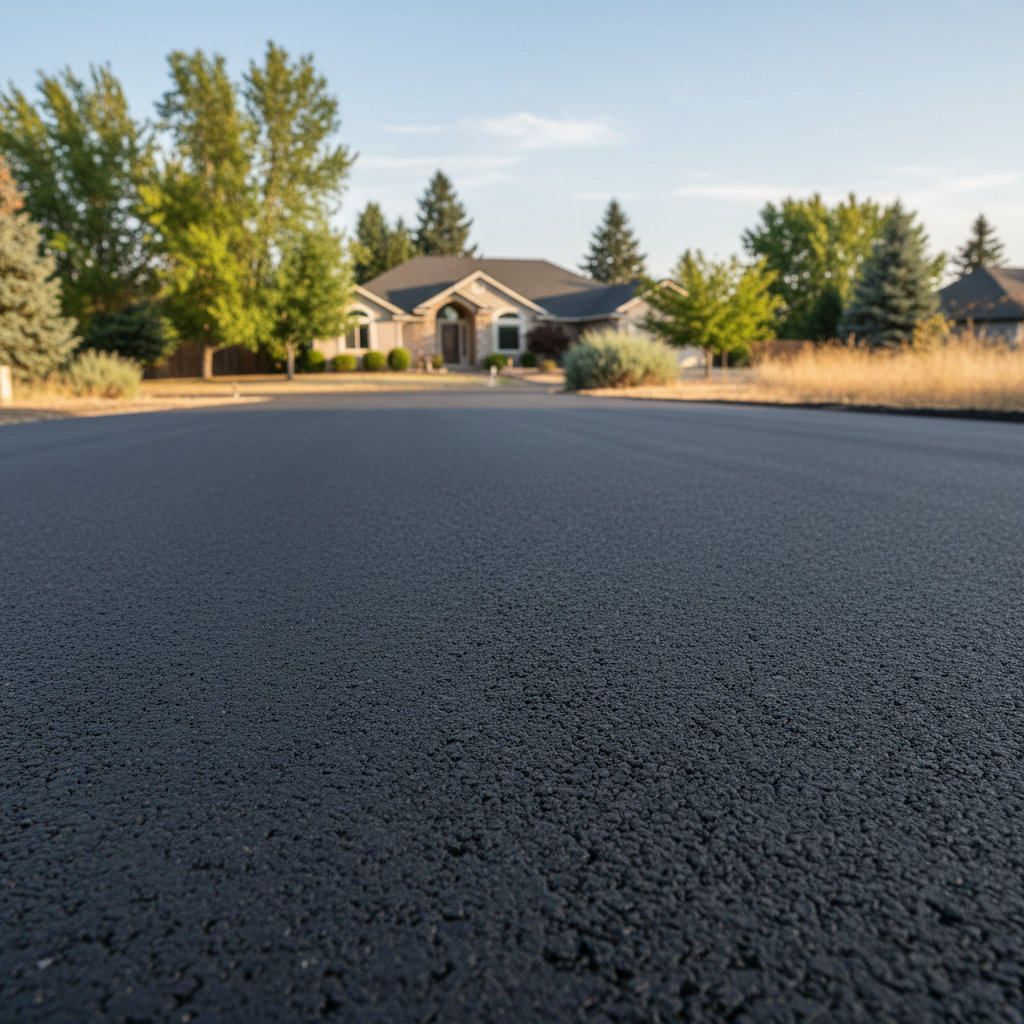
Resurfacing, on the other hand, is more like getting a whole new skin for your driveway. We're not tearing out the old asphalt entirely; instead, we're putting a fresh layer of new asphalt – usually 1.5 to 2 inches thick – right over the top of your existing, but still structurally sound, driveway. Before we do that, we'll fix any major potholes or cracks and make sure the edges are clean. You get a smooth, new surface without the full expense of a complete tear-out and replacement. It's a great option if your driveway has widespread surface wear, lots of spiderweb cracking, or just looks old and faded, but the base underneath is still solid. What a difference it makes!
How do I know if my driveway needs patching or a full resurface?
It really comes down to the extent of the damage and what's causing it. If you've got a few isolated potholes, maybe some alligator cracking in a couple of spots, patching is probably all you need. It's cost-effective and gets the job done.
But if your driveway looks like a spiderweb, with cracks running everywhere, or if you've got multiple large areas breaking up, or if it's just really faded and rough across the whole surface, then you're likely looking at resurfacing. The key is the underlying structure. If the base material under your asphalt is still good and stable, resurfacing can give you years of new life. If the base is failing, though – if you see significant dips, humps, or areas that are constantly sinking – then even a resurface won't hold up for long. That's when you might need a full replacement, which is a much bigger job, but sometimes unavoidable. We can usually tell pretty quickly what's going on when we come out for an estimate, you know?
Can I just fill cracks myself with stuff from the hardware store?
You can, sure. There are plenty of DIY crack fillers out there. But here's the honest truth: most of those products are temporary fixes at best. They might look okay for a few weeks or months, but they rarely last. The materials aren't designed for the kind of expansion and contraction our Kennewick weather puts on asphalt, especially with those hot summers and freezing winters. Plus, proper crack filling involves cleaning the crack deeply, sometimes routing it out to create a better reservoir for the filler, and then using a hot-applied, flexible sealant that bonds well with the asphalt. The stuff in a tube just doesn't compare. You'll end up doing it again and again, and often, those DIY fixes can actually make it harder for a professional to do a proper, lasting repair later on.
How long does an asphalt repair typically last?
That's a tough one to give a single answer to because it depends heavily on the type of repair, the quality of the original asphalt, the base material, and how well it's maintained. A good, hot-mix asphalt patch, done correctly, can last for many years, sometimes even as long as the surrounding pavement if the underlying issue was resolved. A resurfaced driveway, if the base was solid, can easily give you another 10-15 years, especially if you keep up with sealcoating every few years.
But if the repair is just a surface-level fix over a deeper problem, or if you're in an area with heavy traffic or poor drainage, its lifespan will be shorter. Drainage is huge here; water is asphalt's worst enemy. If water is constantly sitting on or under your pavement, even the best repair won't last as long as it should. We always look at drainage when we're assessing a job.
What causes potholes and cracks in the first place?
Potholes and cracks are usually a combination of things, but water is almost always involved. Here's the rundown:
- Water Infiltration: This is the big one. Water seeps into tiny cracks in the asphalt surface.
- Freeze-Thaw Cycles: When that water freezes (which it does plenty of here in Kennewick), it expands, pushing the asphalt apart. When it thaws, it leaves a void. This cycle really weakens the pavement.
- Traffic Load: Cars driving over those weakened spots put stress on the asphalt, eventually causing it to break apart and form potholes.
- Oxidation: Sunlight and air cause the asphalt binder to dry out and become brittle over time, leading to surface cracking.
- Poor Drainage: If water isn't draining away from your driveway, it's going to sit there and find its way into any imperfection.
- Weak Base: If the gravel or aggregate base beneath your asphalt wasn't installed or compacted properly, it can shift and settle, causing the asphalt above it to crack and fail.
It's rarely just one thing; usually, it's a perfect storm of these factors working together.
When's the best time of year to get asphalt repairs done in Kennewick?
Generally, you want to do asphalt repair when it's warm and dry. Here in Kennewick, that usually means late spring, summer, and early fall. The hot asphalt mix needs to be applied and compacted when the ground isn't frozen and when there's no rain in the forecast. The warmth helps the asphalt cure properly and bond better. Trying to do it in the dead of winter when it's freezing or pouring rain is just asking for trouble – the repairs won't hold up. We're pretty busy during those prime months, so if you're thinking about getting something done, it's always a good idea to reach out a bit in advance. Alpha Paving Solutions always aims to work with your schedule, but Mother Nature has her own.
How can I prevent future asphalt damage after a repair?
Once you've invested in repairs, you want them to last, right? The best way to protect your investment is through regular maintenance. Here's what I tell folks:
- Sealcoating: This is your first line of defense. A good sealcoat every 2-3 years protects the asphalt from UV rays, water, and chemicals. It keeps it flexible and prevents oxidation.
- Fill Cracks Promptly: Don't let small cracks become big problems. If you see new cracks forming, get them filled professionally. It's much cheaper to fill a crack than to repair a pothole.
- Ensure Good Drainage: Make sure water isn't pooling on your driveway. If you have areas where water collects, address them. Sometimes a small trench or a slight regrading can make a huge difference.
- Avoid Heavy Loads: Try not to park heavy RVs or equipment on your driveway for extended periods, especially if it wasn't designed for that kind of weight.
- Clean Regularly: Sweep off debris, leaves, and dirt. These can trap moisture and accelerate deterioration.
A little proactive care goes a long way in extending the life of your asphalt. It's like anything else – neglect it, and you'll pay more down the road.